
Why Biomes Dictate Player Movement Rhythms
Great voxel games connect visual atmosphere directly with kinesthetic gameplay. A floating sky island biome naturally commands lower gravity (0.6x) and extended hang-time, encouraging bold leaps across wide aerial chasms.
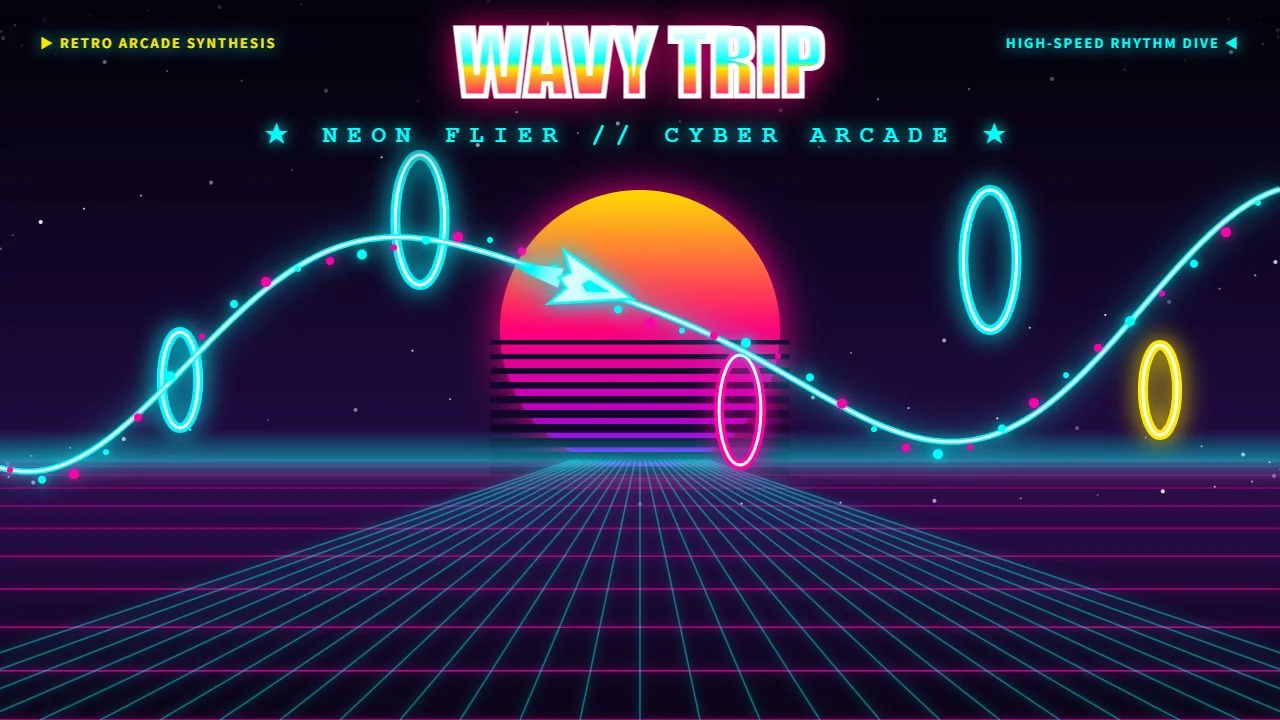
Conversely, a Cyberpunk Metropolis demands heightened speeds (1.4x) and intense horizontal reflexes to outpace moving obstacles and navigate neon corridors.
Jump Pads, Hazmat Nodes, and Goal Beacons
When designing a micro-level, positioning entity anchors is paramount. Place kinetic bounce pads immediately before large vertical leaps to reward players with high-arc trajectories.
Ensure energy cores provide clear breadcrumb trails leading directly toward the cyan goal beacon, establishing intuitive visual affordance without cluttering the screen with tutorial arrows.
Synthesizing Retro Audio for Immersive Feedback
Physical interaction feels hollow without tactile audio feedback. Gamoji utilizes the Web Audio API to synthesize responsive square-wave and triangle-wave frequencies on block impact, jump activation, and victory sequences—creating an unforgettable neo-arcade atmosphere.